

If you want to pick the best cities for real estate investment in 2026, you need more than hype or headlines. You need a clear view of where demand is growing, which local economies are heating up, and how those trends show up in your own cash flow and ROI.
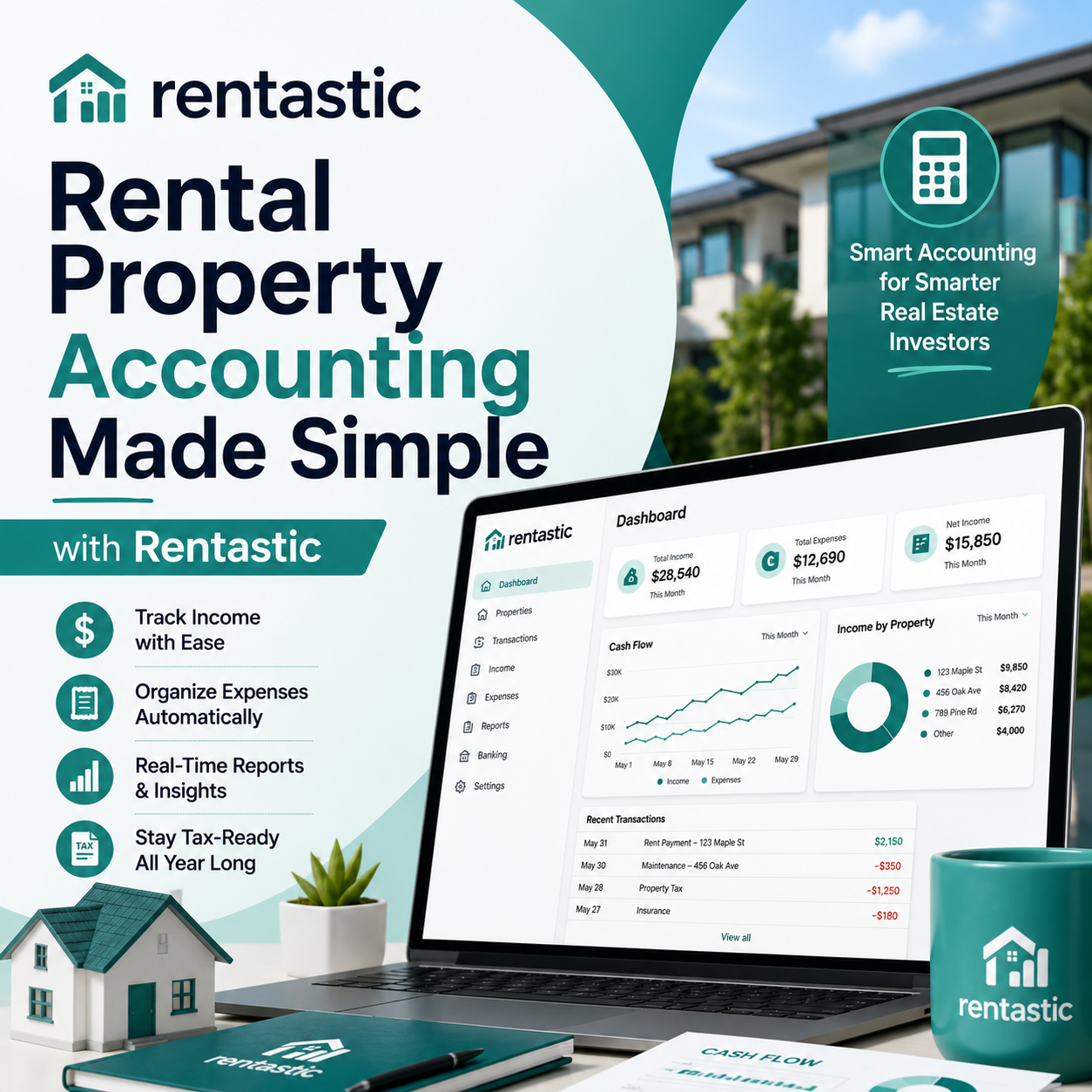
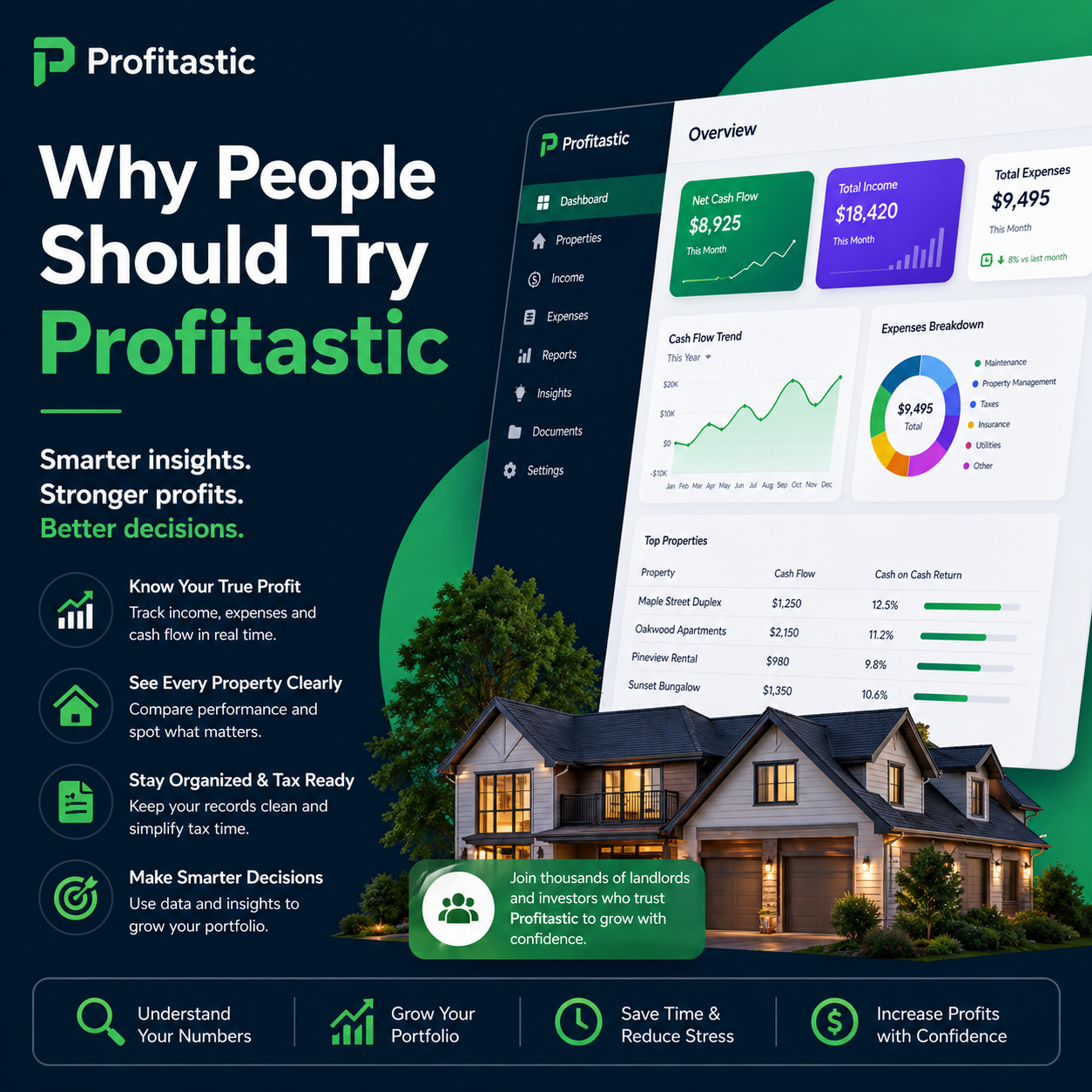
This is where a tool like rentastic helps you connect the big picture with your own numbers. Rentastic gives you real time cash flow analysis, tracks your mortgage payments, and calculates ROI across your portfolio so you can see which markets are truly pulling their weight in 2026 and beyond (Rentastic Blog).
In this guide, you will:
Use this as a map. Then let your own data in rentastic tell you where to move first.
Before you think in terms of “top cities,” think in terms of signals. A city that looks hot on social media can still be a poor fit for your strategy or time horizon.
Here are simple lenses you can use.
Growth markets usually share two traits:
You can research this through:
Your goal is not perfect prediction. You simply want to avoid obvious headwinds like shrinking population or a heavy dependence on a single employer.
For buy and hold investors, the key is not just “cheap” or “expensive,” it is balance.
Ask:
Rentastic can help you test this. The platform lets you compare ROI, cash flow, and expenses by city or state, so you can see which markets actually meet your thresholds instead of relying on rules of thumb (Rentastic Blog).
Policy can flip a market from friendly to hostile very quickly. As you shortlist 2026 growth cities, review:
Growth is helpful only if your operating environment lets you benefit from it.
People move for jobs, but they stay for lifestyle. Look for:
These investments tend to support both rental demand and long term appreciation.
You do not have to guess. If you already own in several states or metros, you can let your data point you toward the best 2026 opportunities.
Rentastic equips you to:
If one market is quietly outperforming all others, that might be your best 2026 growth city, no list required.
Below are ten U.S. cities that are well positioned for real estate growth in 2026. Think of them as idea starters. You will still want to check your own goals and numbers in rentastic before you buy.
For each city, you will see:
Austin has spent years on “top growth” lists, and while price growth has cooled from its peak, the long term story is still strong.
Why Austin still works for 2026
Best for you if
How to use Rentastic here
Austin is the kind of market where “amenity creep” is common, since tenants expect upgraded finishes and smart home features. Rentastic lets you track the costs and returns from specific upgrades, like smart locks or in unit laundry, so you can see which changes actually move your rent, NOI, and ROI (Rentastic).
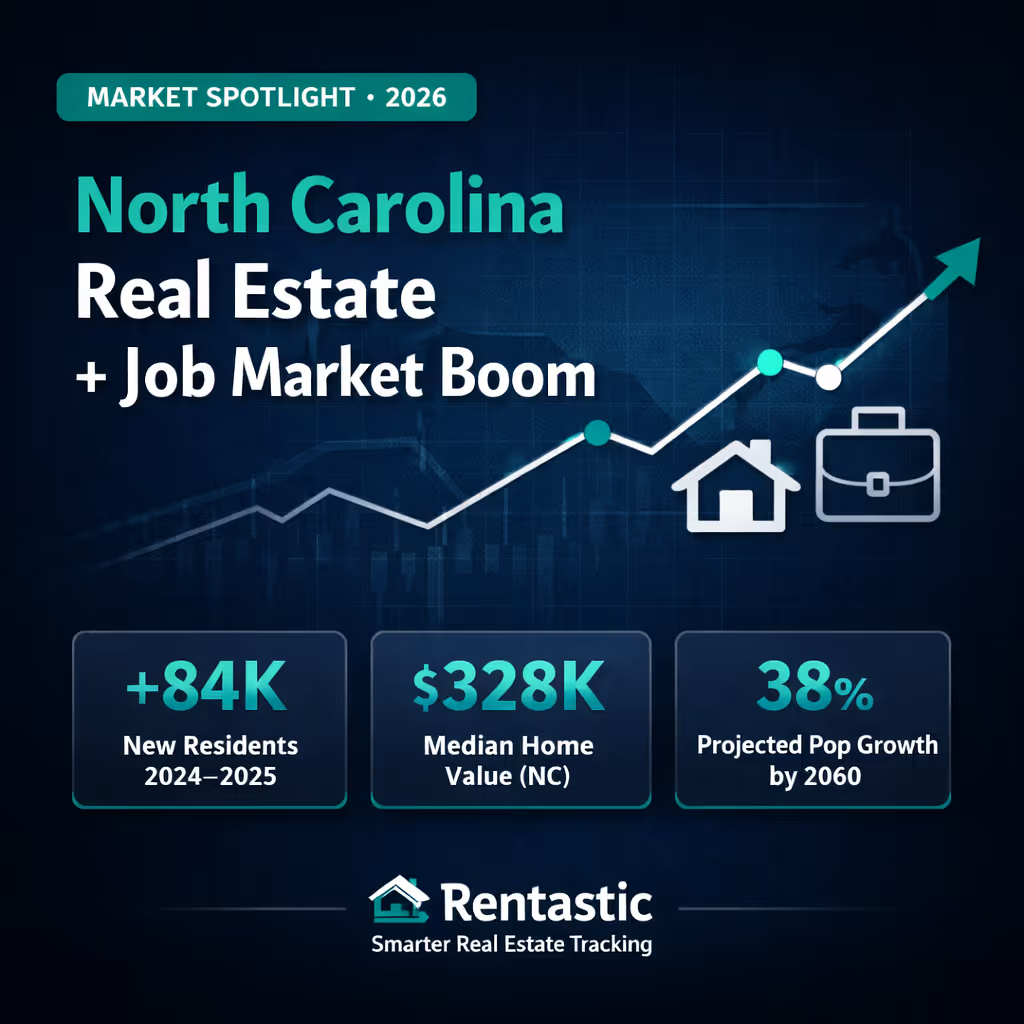
The Research Triangle blends stable employment with relatively affordable housing, which is a powerful mix for 2026.
Why Raleigh Durham stands out
Best for you if
How to use Rentastic here
With Rentastic’s portfolio analytics, you can model how a cluster of Raleigh rentals compares to your existing markets, then watch how cash flow and equity build over several years. You can also generate tax ready reports that highlight depreciation and interest deductions across your North Carolina holdings (Rentastic Blog).
The Tampa Bay region keeps attracting retirees, remote workers, and service jobs, which together create steady rental demand.
Why Tampa Bay is a 2026 contender
Best for you if
How to use Rentastic here
Insurance, HOA fees, and maintenance can fluctuate more in coastal Florida. Rentastic’s automatic synchronization with your bank accounts captures new income and expenses in real time, so you can see how those costs affect your actual cash flow each month (rentastic.io).
Nashville offers a mix of creative industries, healthcare, and tourism, and its growth has expanded into surrounding suburbs.
Why Nashville stays on growth lists
Best for you if
How to use Rentastic here
Nashville is a useful place to test different property types. You can use Rentastic to compare the performance of a small multifamily in an urban neighborhood with a single family in a nearby suburb, using metrics like cap rate, ROI, and cash on cash return across several years.
Phoenix and its suburbs have grown quickly, and while the pace may moderate, the overall trend still points upward.
Why Phoenix remains attractive
Best for you if
How to use Rentastic here
High utility costs and rapid building cycles make it important to monitor your property level P&L. Rentastic simplifies this with automated P&L reports for each property, which can help you spot when operating expenses start creeping up or when rents are not keeping pace (rentastic.io).
Charlotte combines banking, logistics, and tech jobs with growing neighborhoods that appeal to families and young professionals.
Why Charlotte is on the 2026 radar
Best for you if
How to use Rentastic here
If you hold properties in both Charlotte and a more volatile market, Rentastic’s city and state level comparison helps you see which area delivers smoother cash flow, lower vacancy, and better overall ROI. This is useful when you are deciding where to reinvest proceeds from a sale.
The Dallas Fort Worth metroplex is one of the strongest job producing regions in the country, with room to keep expanding.
Why DFW keeps drawing investors
Best for you if
How to use Rentastic here
Managing many doors across multiple DFW suburbs can get messy in spreadsheets. Rentastic consolidates your rent roll, expenses, mortgage payments, and property values in one place so you always know your portfolio wide cash flow and equity position (Rentastic Blog).
Atlanta blends a large metro population with strong corporate presence and a relatively low cost of living.
Why Atlanta is a 2026 favorite
Best for you if
How to use Rentastic here
Atlanta can reward targeted amenity investments in the right submarkets. Rentastic offers tools that help you track which rental amenities actually increase ROI. You can analyze the impact of shared amenities versus in unit upgrades on vacancy and rent levels so that your upgrade dollars meet your target returns (Rentastic).
Boise drew a lot of attention during the remote work boom. After some cooling, it still offers an appealing mix of outdoor lifestyle and relative affordability.
Why Boise still has room
Best for you if
How to use Rentastic here
Boise is a good example of where you want to watch for market shifts. Rentastic’s automatic bank synchronization and financial reporting help you spot early signs of change, like slowing rent growth or rising vacancy, before they show up in headlines (rentastic.io).
Indianapolis often flies under the radar compared with coastal cities, but its fundamentals are appealing for cash flow focused investors.
Why Indianapolis is attractive
Best for you if
How to use Rentastic here
Indianapolis can be a “workhorse” market in your portfolio. You can use Rentastic to generate tax ready reports, monitor property level cash flow, and compare your cap rates and ROI with those from more speculative markets. This makes it easier to keep a balanced risk profile across your holdings (Rentastic Blog).
Lists are helpful, but your portfolio is unique. The good news is that by 2025 and into 2026, investors are increasingly using data tools to make these calls. One Rentastic report notes that 71 percent of landlords are optimistic about profits and use platforms like Rentastic to gain real time visibility into cash flow, ROI, and tax related information across their holdings (Rentastic Blog).
Here is how you can do the same.
Once your properties are linked in rentastic, you can quickly see which cities deserve more of your capital.
Create a simple comparison:
You may discover that a less “famous” market in your portfolio is actually your top performing 2026 city.
Rentastic is not just a snapshot tool. It also helps you track trends over time.
Use it to:
If a city that once looked like a growth star starts to underperform, you can decide whether to hold, refinance, or exit before conditions worsen.
Growth markets often tempt you to overspend on amenities. Rentastic supports you in spending wisely.
You can:
This keeps your 2026 strategy grounded in data rather than in trends.
You have seen ten cities poised for growth in 2026 and a framework for weighing them against your own goals. The next step is to turn this into a simple, actionable plan.
You can follow a short sequence.
Real estate growth in 2026 will not be evenly spread. Some cities will compound your wealth. Others will quietly drain your cash flow through rising costs and flat rents.
You do not control national headlines, but you do control where you buy and how you manage. With a data focused tool like rentastic on your side, you can:
Pick one city from this list that fits your strategy. Run the numbers in Rentastic, line up your team, and take the next step. Your best growth market for 2026 is the one where your data and your plan agree.
RECENT POSTS


© 2025 Rentastic
Rentastic is registered as a trademark. Terms and conditions, features, support, pricing, and service options subject to change without notice.








.png)


















.png)
























Comments