

Whether you're managing a single rental property or a growing portfolio, understanding how security deposits work is essential. A properly managed security deposit can protect your investment, reduce disputes, and help cover legitimate expenses when tenants move out.

Most landlords assume that owning a property automatically guarantees their rights to it. However, adverse possession laws can create complications when a property is neglected or left unmanaged for long periods.

Property ownership comes with many responsibilities, but one risk that often goes unnoticed is adverse possession. While it may sound like an obscure legal concept, adverse possession can potentially impact landlords who neglect or fail to monitor their properties over extended periods.

Adverse possession is a legal principle that allows someone to gain ownership rights to a property if they occupy and use it for a specific period of time without the owner's permission.

DOM is one of the simplest yet most valuable metrics in real estate because it provides insight into market demand, pricing trends, and potential opportunities.
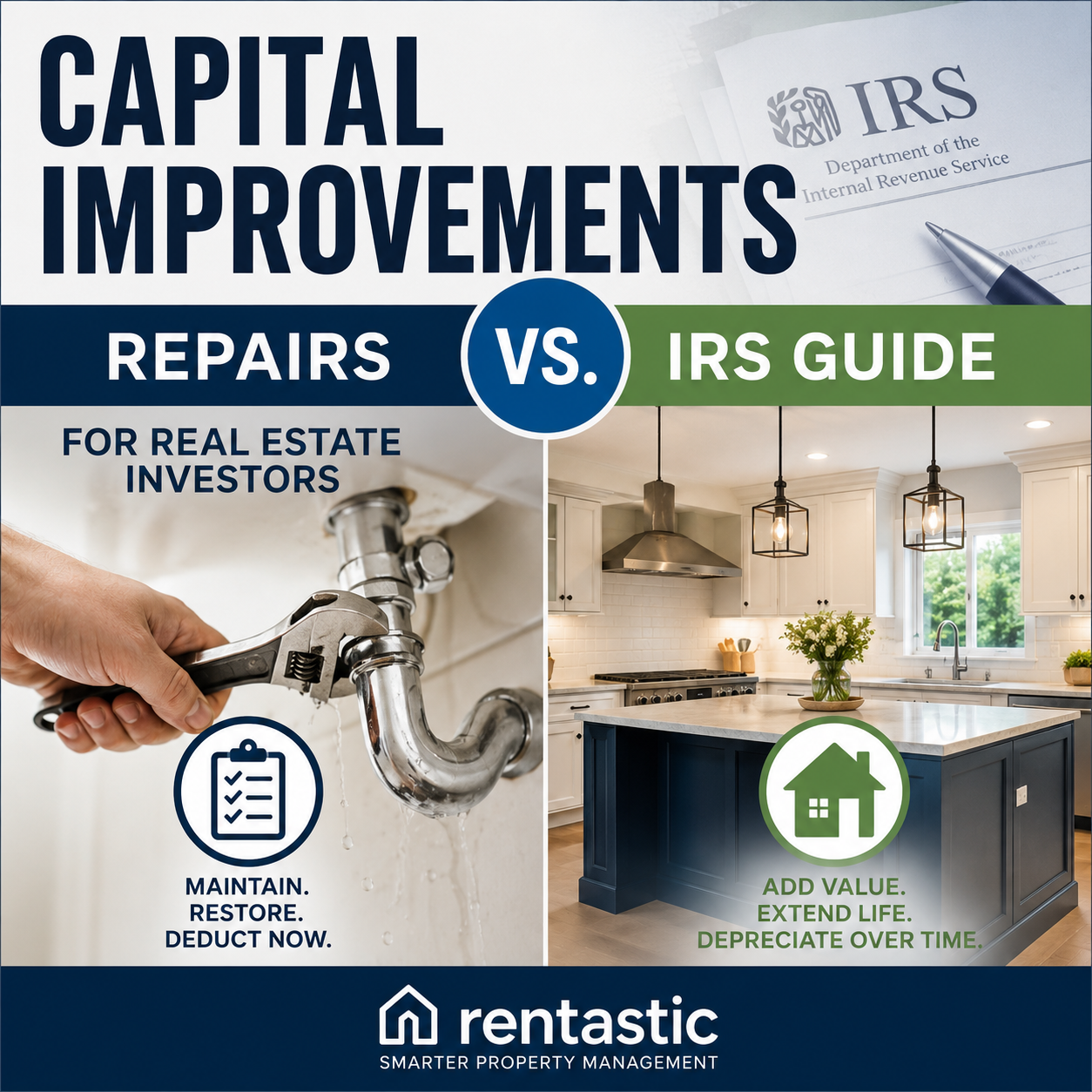
One of the most common tax questions real estate investors face is whether a property expense should be classified as a repair or a capital improvement. While the distinction may seem minor, it can have a significant impact on your taxes.
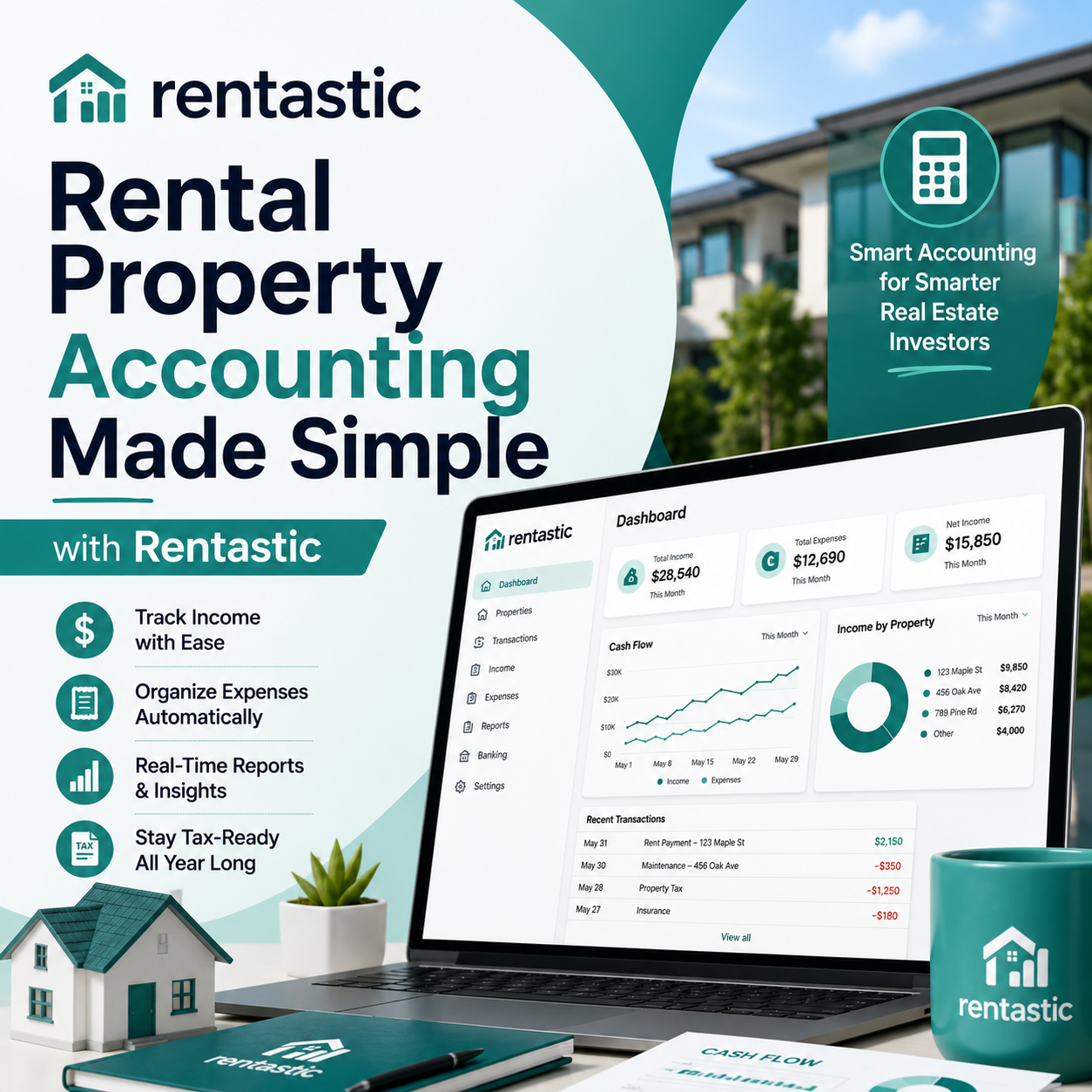
Managing rental properties can be rewarding, but keeping track of income, expenses, and financial records often becomes one of the most time-consuming parts of being a real estate investor.
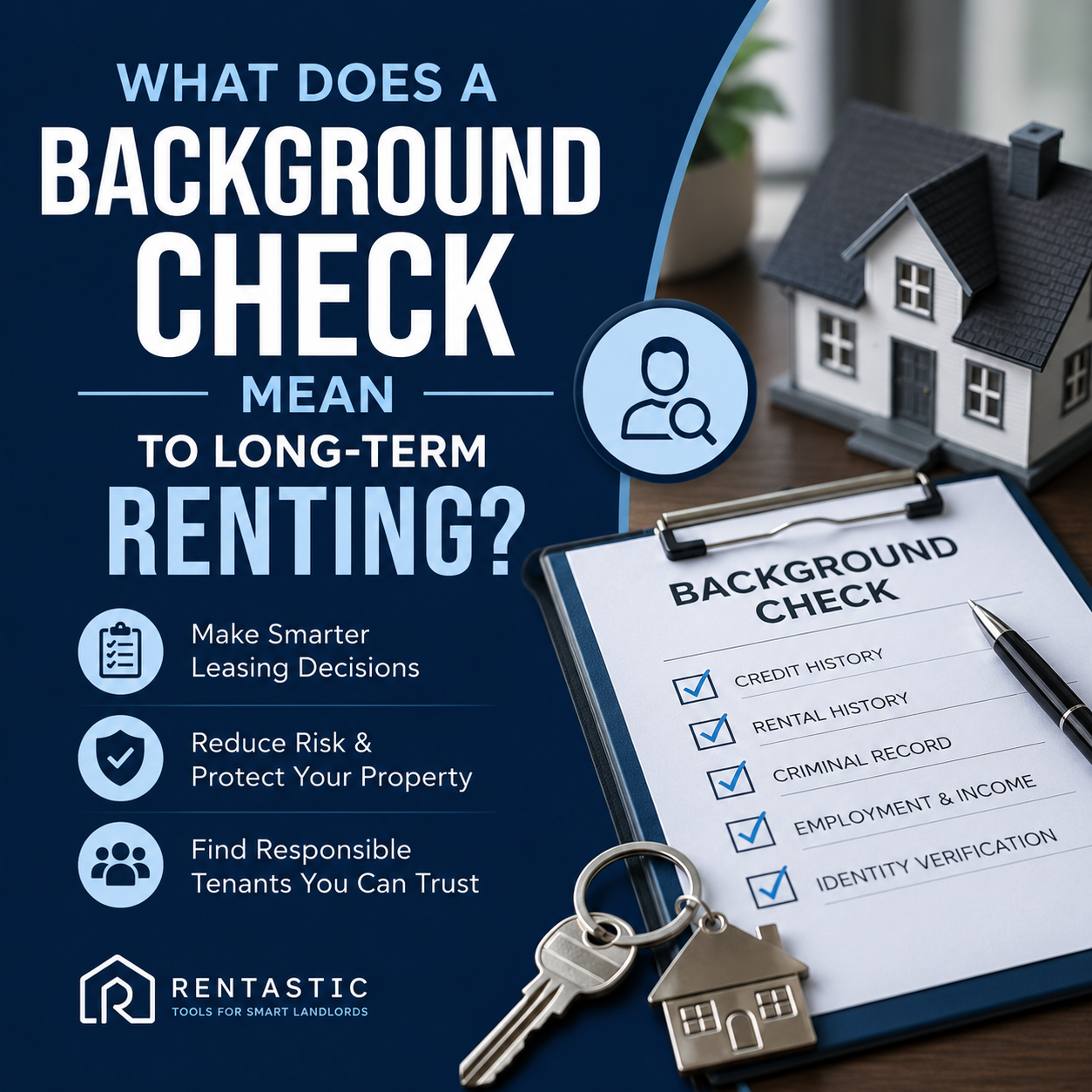
Finding the right tenant is one of the most important decisions a landlord can make. A lease agreement can last for months or even years, so understanding who will be living in your property is essential. That’s where a background check comes in.
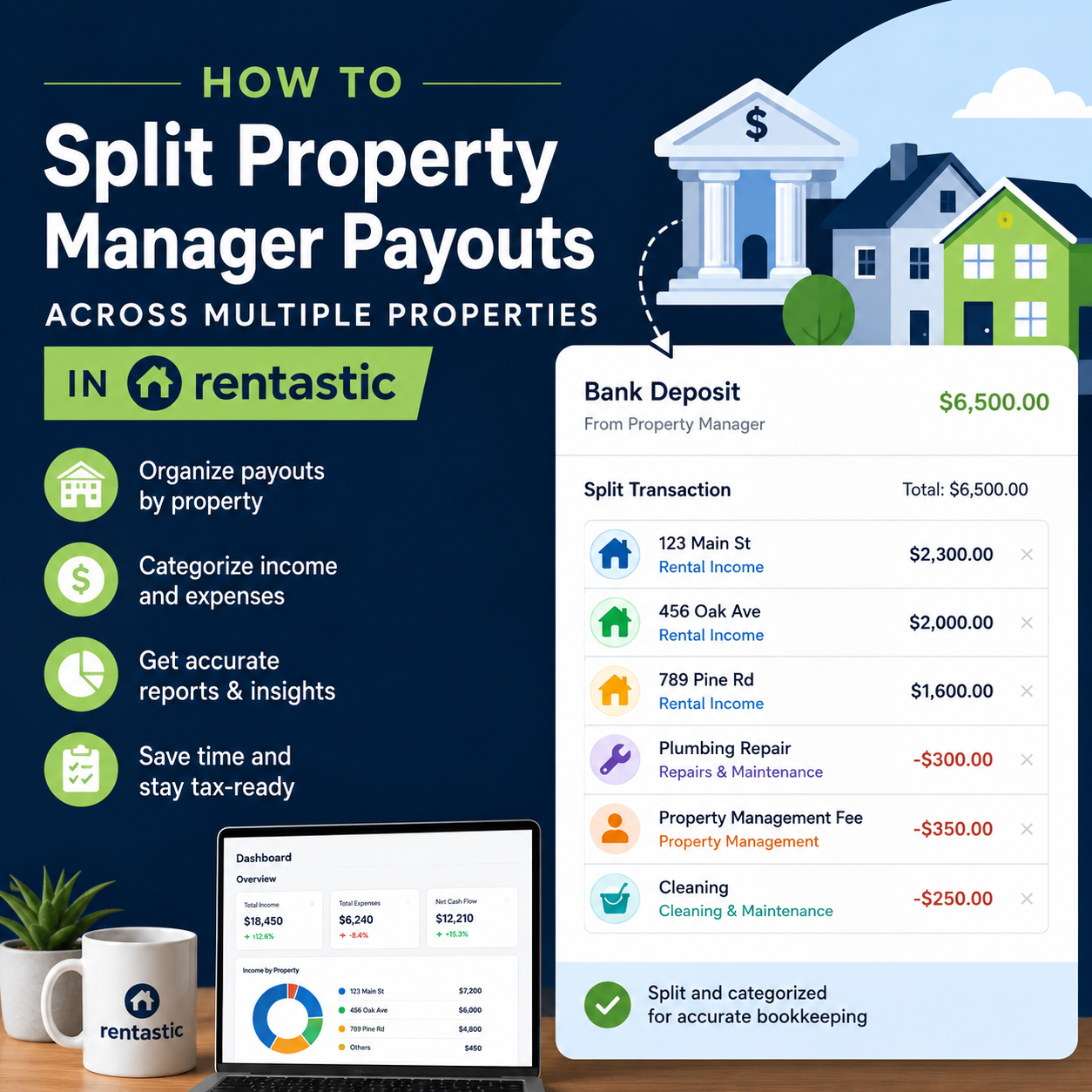
If you own multiple rental properties, chances are your property manager sends you one combined payout covering several units, expenses, and fees all at once. While convenient at first, these bundled deposits can quickly create bookkeeping confusion.

Most tax season stress doesn’t actually begin in April. It starts throughout the year when financial organization gets delayed.


RECENT POSTS


© 2025 Rentastic
Rentastic is registered as a trademark. Terms and conditions, features, support, pricing, and service options subject to change without notice.

