

Navigate tax season with ease: discover how short-term and long-term rental taxes affect your returns.
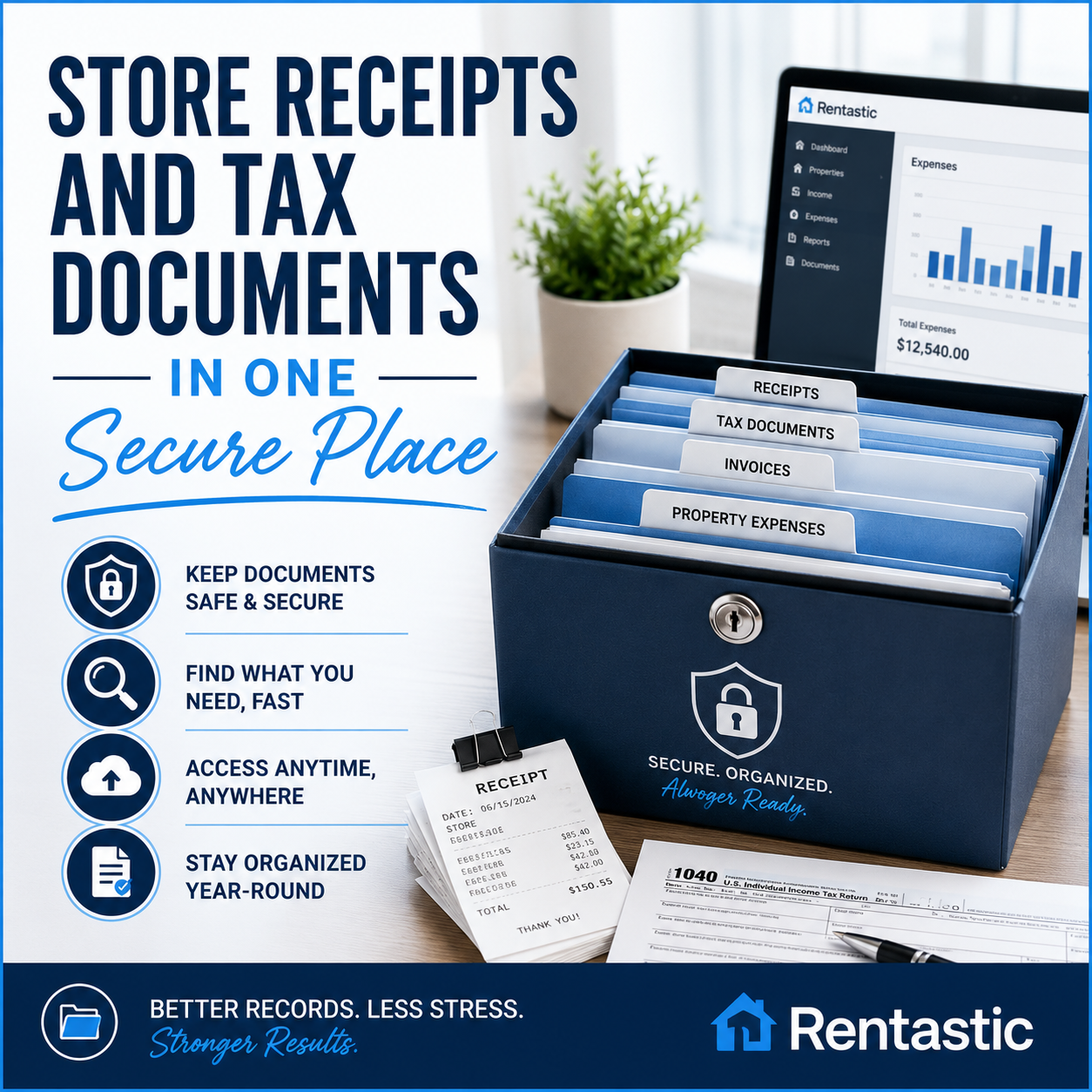
Managing rental properties involves much more than collecting rent and paying expenses. Every receipt, invoice, bank statement, and tax document plays an important role in keeping your finances organized and preparing for tax season.

Whether you own one rental home or an entire portfolio, understanding what happens to your investment properties after your death can help protect your family and preserve the value of your real estate investments.

Owning rental property is one of the best ways to build long-term wealth, but how you hold title to your investment can have significant legal, financial, and tax implications.
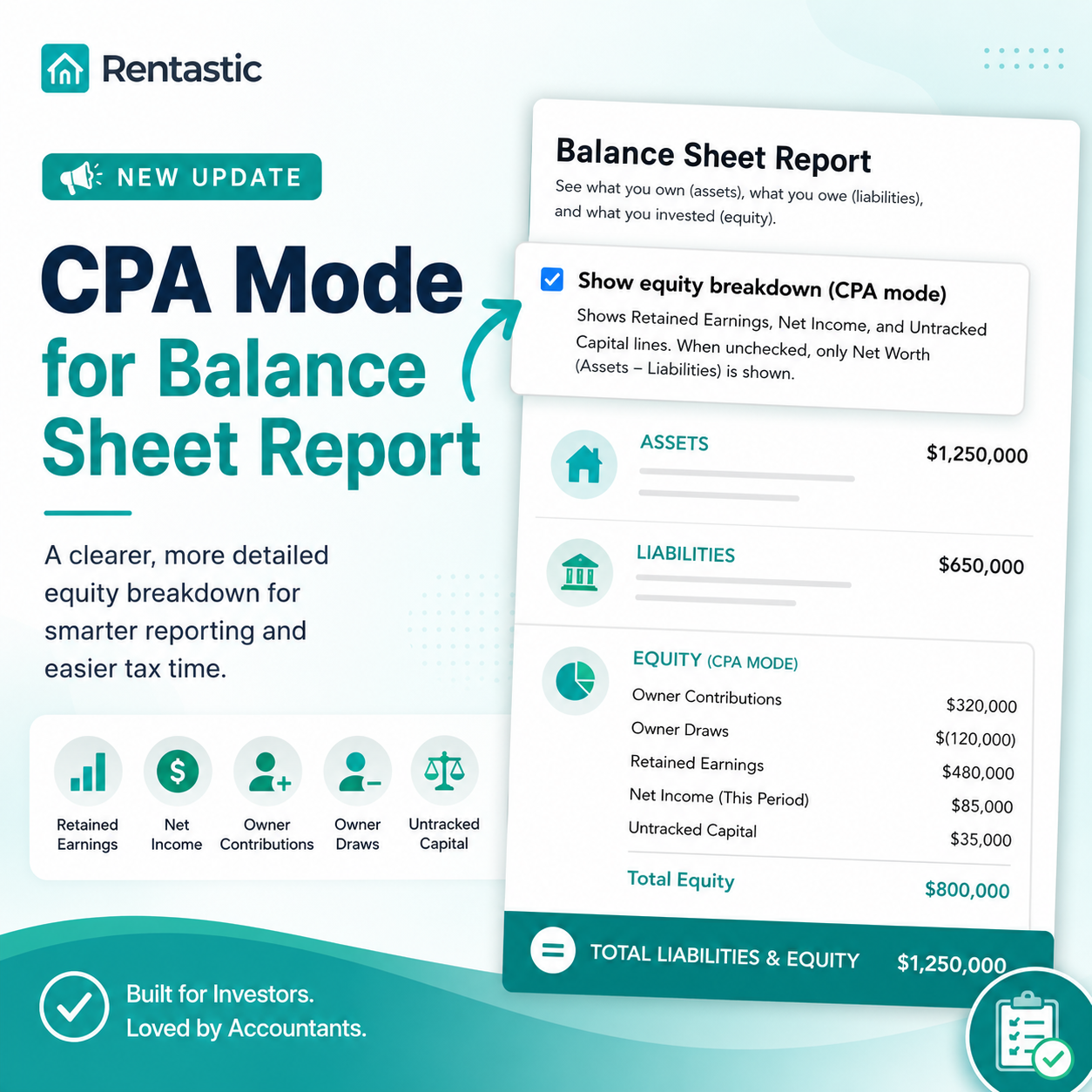
Rentastic's new CPA Mode makes the Balance Sheet Report even more useful by providing a detailed breakdown of your equity. Instead of showing only your total net worth, CPA Mode separates equity into individual categories that accountants and tax professionals commonly use.

Managing rental properties involves more than collecting rent. Keeping accurate financial records helps simplify tax season, maximize deductions, and prepare you in case of an IRS audit.
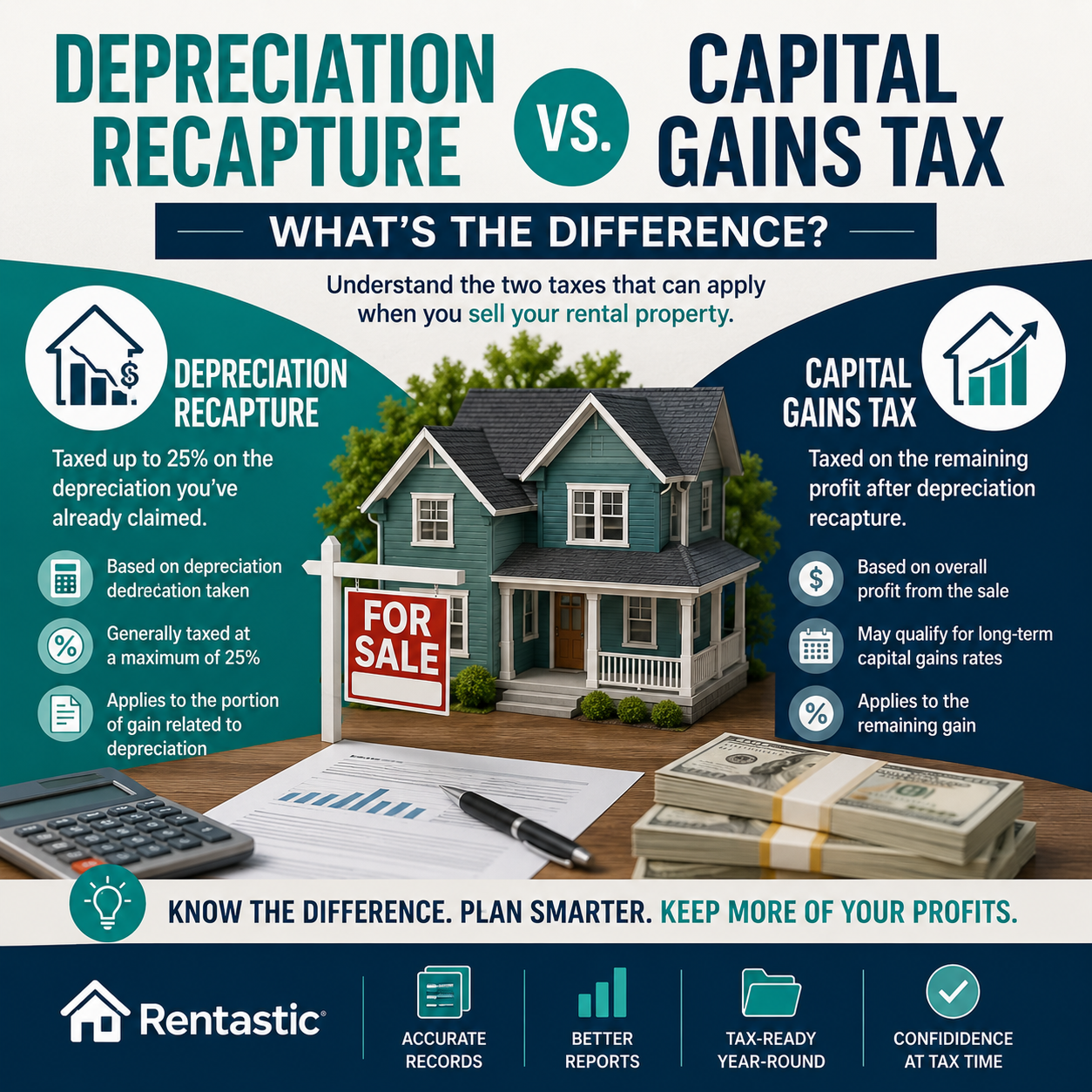
Selling a rental property can be rewarding, especially if its value has appreciated over the years. However, many real estate investors are surprised to learn that they may owe two different types of taxes on the sale: depreciation recapture and capital gains tax.
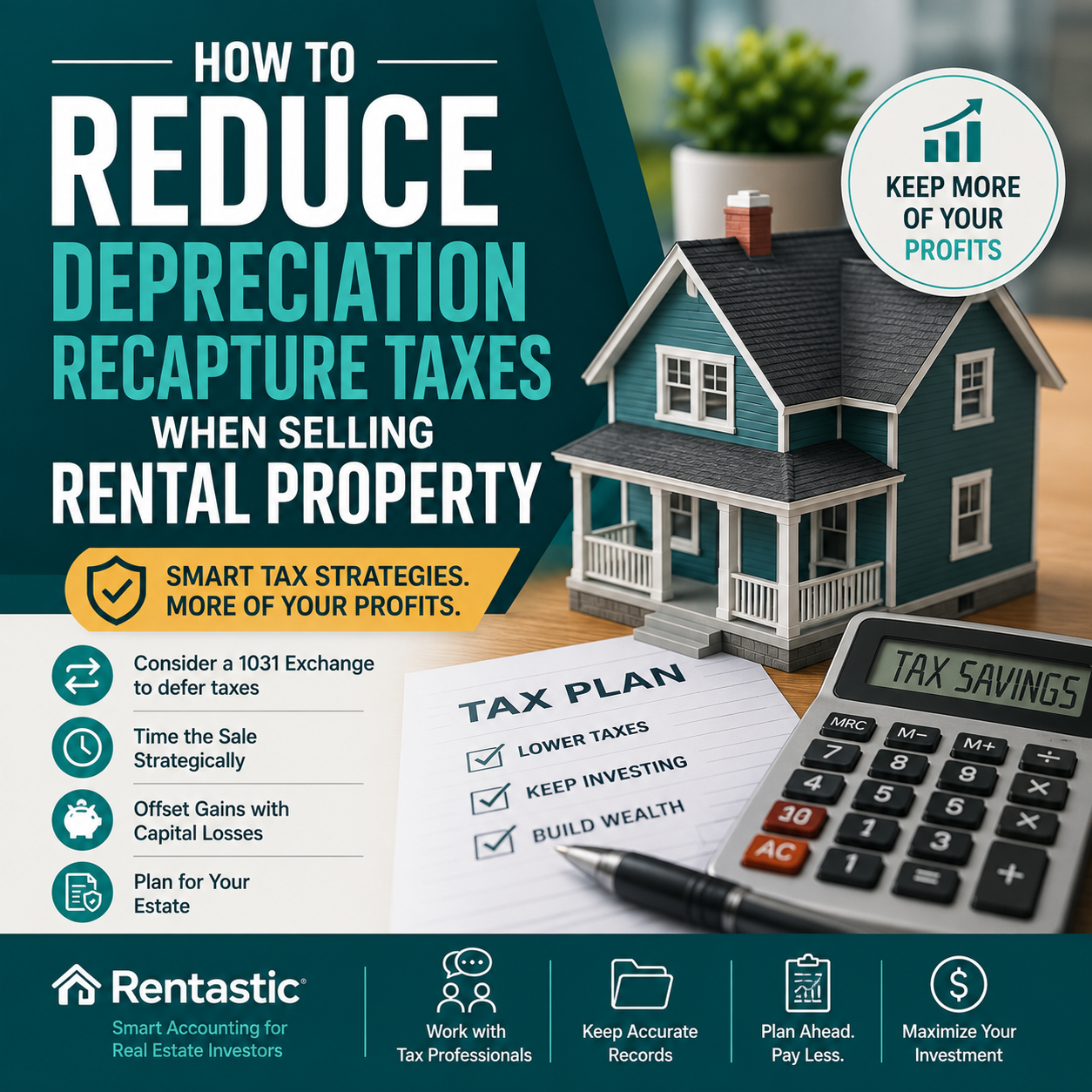
Depreciation helps real estate investors reduce taxable income and boost cash flow. But when you sell a rental property, depreciation recapture may increase your tax bill and reduce your sale proceeds. Understanding it ahead of time can help you avoid costly surprises.
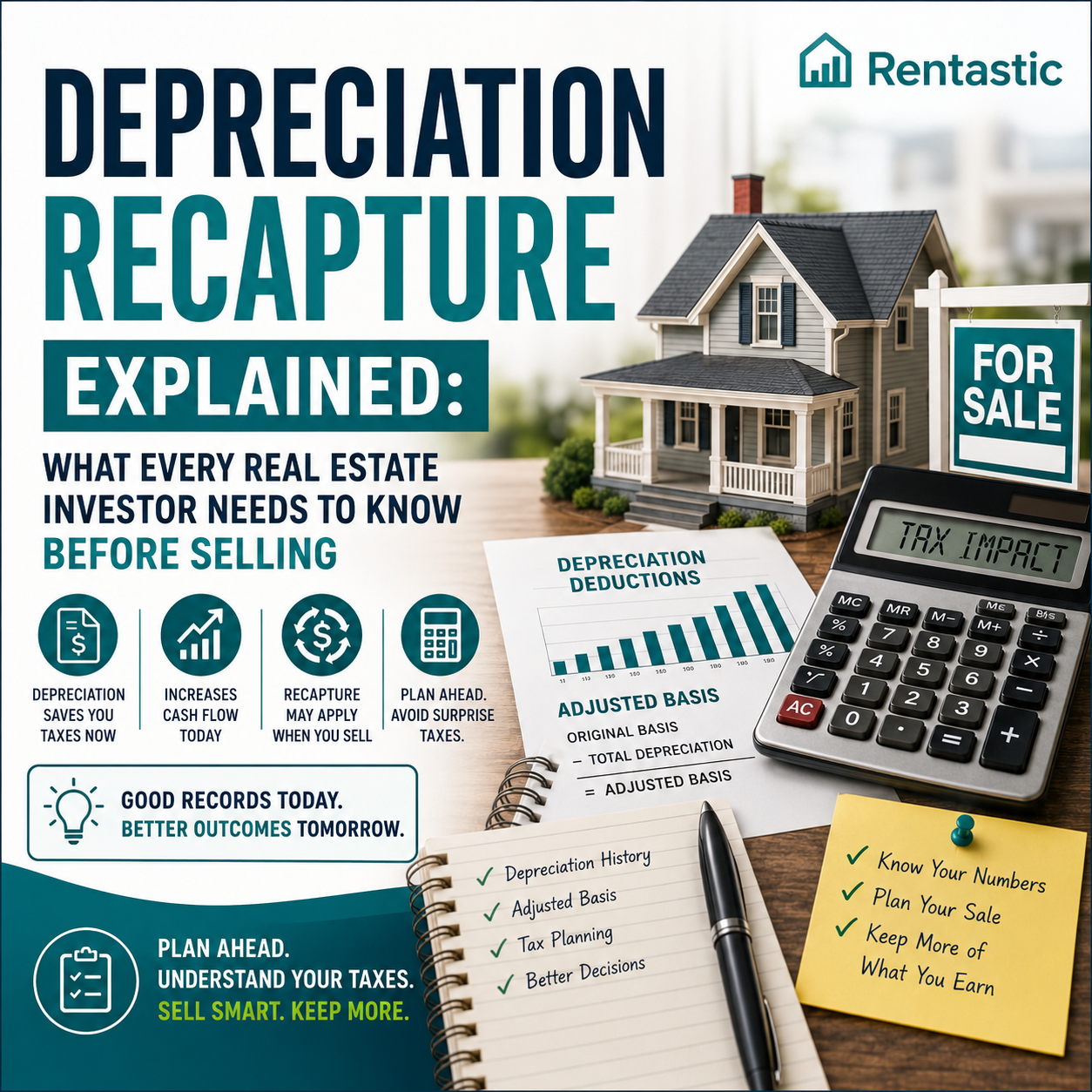
When you own a rental property, depreciation is one of the most valuable tax benefits available. It allows you to deduct a portion of your property's value each year, reducing your taxable income and improving your cash flow.
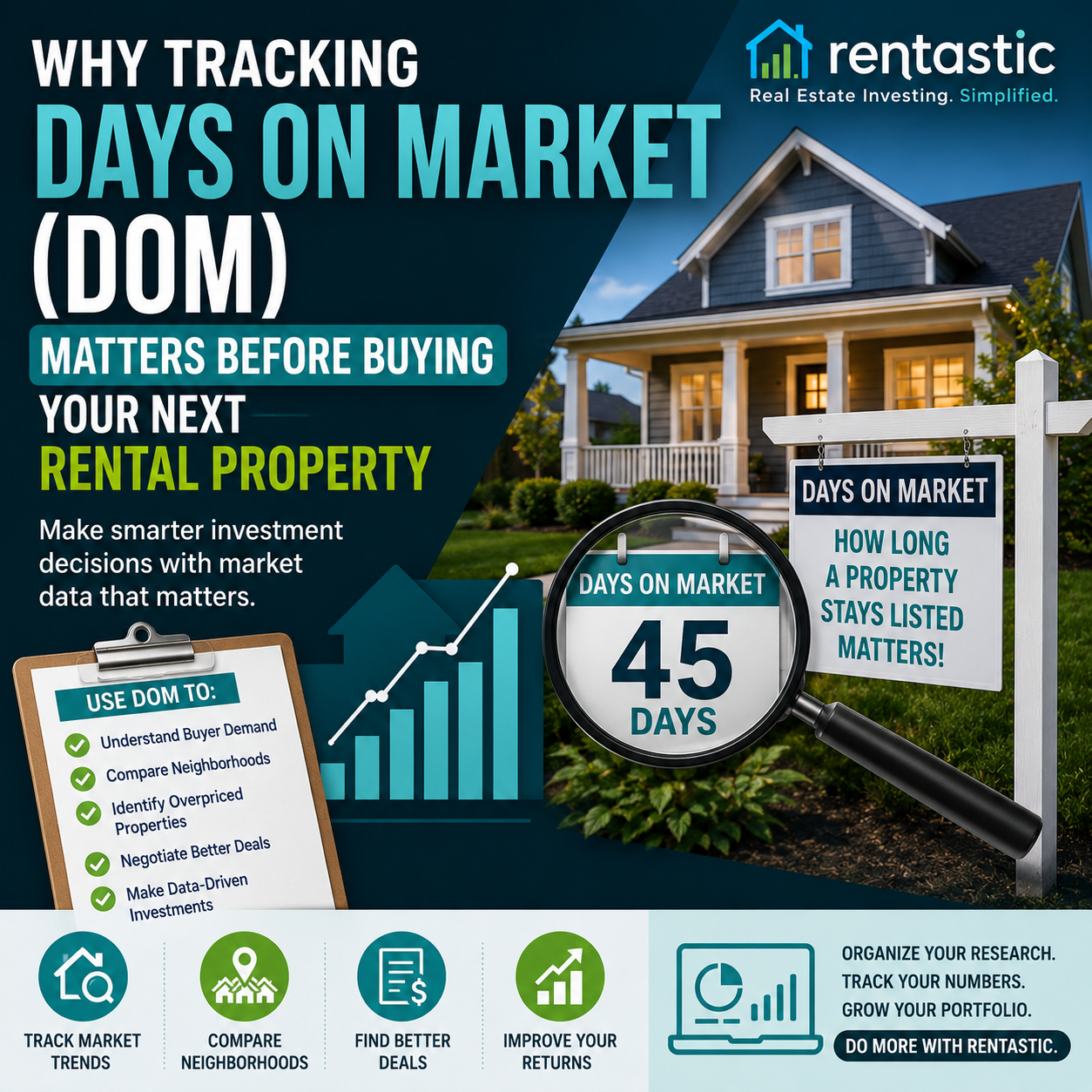
Buying a rental property requires more than finding a home within your budget. Investors also consider cash flow, rental demand, neighborhood trends, and appreciation potential. One valuable—but often overlooked—metric is Days on Market (DOM).


RECENT POSTS


© 2025 Rentastic
Rentastic is registered as a trademark. Terms and conditions, features, support, pricing, and service options subject to change without notice.

